 Key Takeaway
Modern boat demand more than mechanical steering.
The future depends on the systems that deliver control, comfort and confidence in every condition .
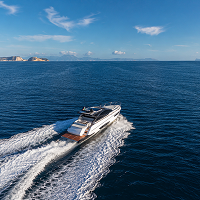
Marine vessels have become more capable in almost every respect. Outboard engines continue to grow in power. Boats are being designed for longer journeys, higher speeds and more demanding applications. At the same time, operators expect greater comfort and easier handling from the helm. These changes place greater demands on steering. A steering system must manage the forces generated by modern propulsion while giving the operator predictable and responsive control. This becomes especially important when navigating tight spaces, maneuvering at low speeds, handling changing water conditions or operating a vessel for extended periods. A boat can have powerful propulsion and an advanced hull design, but the overall experience still depends heavily on how naturally and confidently it responds to the helm. Better propulsion needs better control. That is why steering deserves to be considered as an important part of the vessel’s overall performance rather than simply another component.
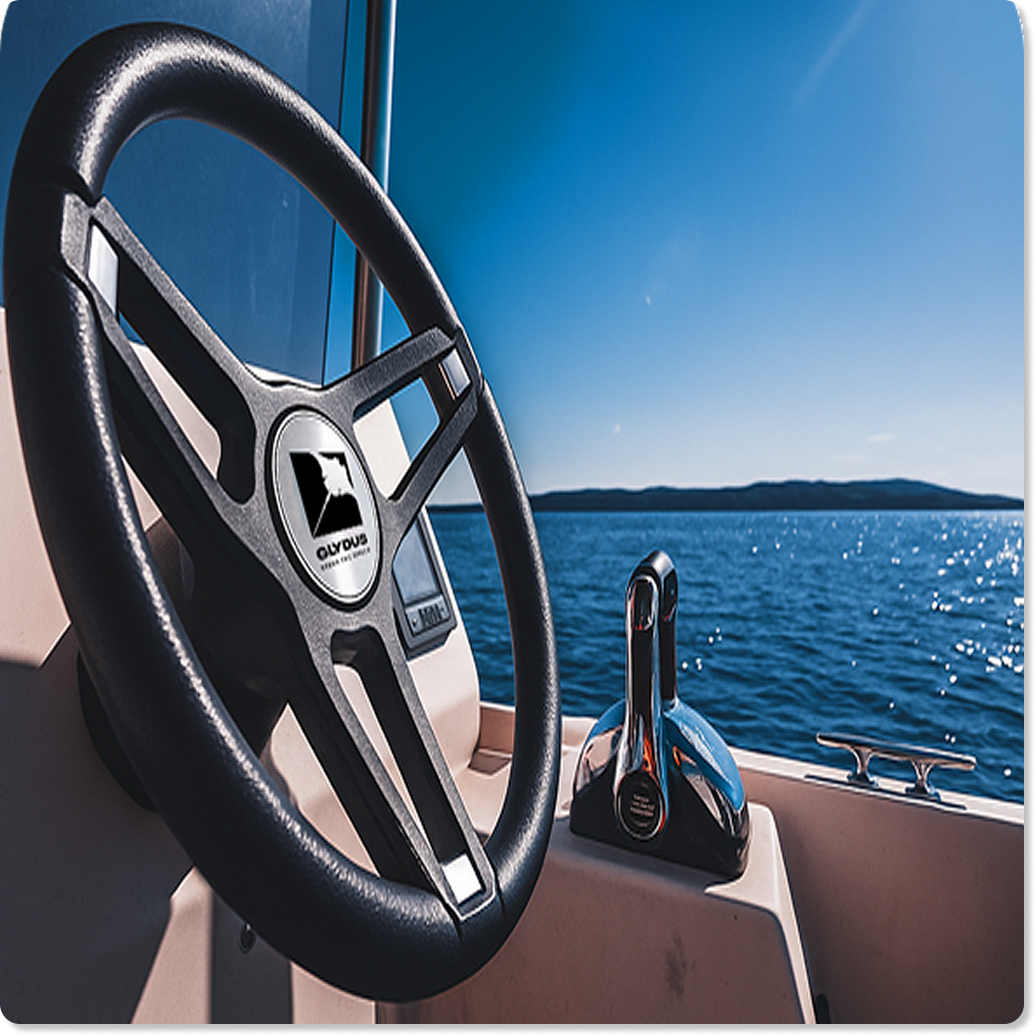
Every boat has its own character. Hull design, propulsion, weight distribution, operating conditions and intended use all influence how a vessel behaves on the water. The steering system is where the operator interacts with that behavior. Steering effort, responsiveness, precision and control all contribute to the experience at the helm. For a recreational boater, reduced effort can make a long day on the water more comfortable. For a fishing boat operator, precise control can make maneuvering around a productive fishing area easier. For professional and commercial users, consistent steering performance can contribute to dependable day-to-day operation. The steering wheel may be simple in appearance, but what happens behind it is critical. A well-engineered steering system should allow the operator to feel in control without requiring unnecessary physical effort. That is where modern marine steering is evolving.
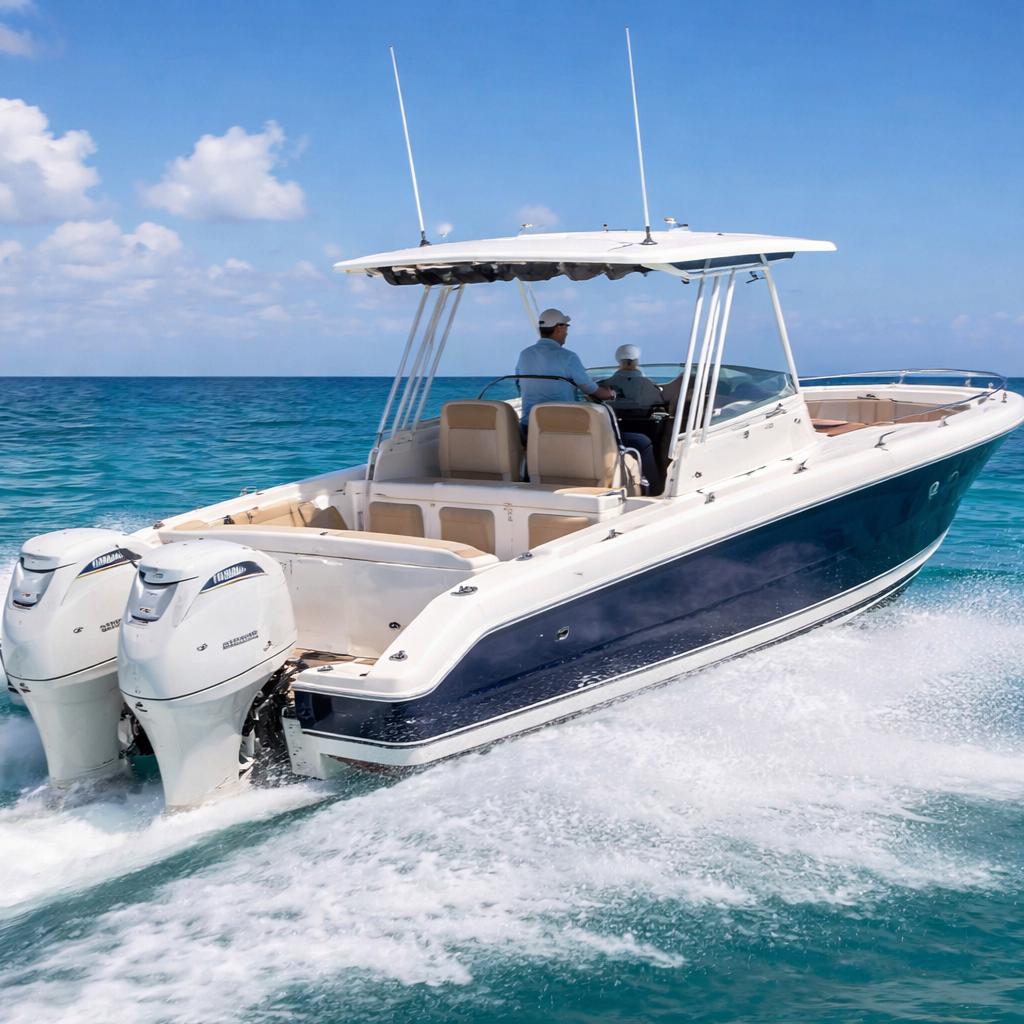
Hydraulic steering has long been an important technology in marine applications because of its proven ability to deliver dependable directional control across a wide range of vessels. But today’s applications are placing new expectations on steering systems. As outboard horsepower increases and vessels become larger and more capable, steering loads can become more demanding. Operators increasingly expect a comfortable helm experience alongside reliable control. This is where power-assisted steering provides an important advantage. Power assistance can reduce the physical effort required to steer while maintaining the familiar characteristics and dependability of a hydraulic steering system. The benefit goes beyond simply making the steering wheel easier to turn. It can provide a more comfortable and controlled helm experience while helping the operator manage the demands of modern propulsion. For boat builders, power-assisted steering can also provide an effective way to improve the overall driving experience without changing the fundamental principles of the vessel’s steering architecture. The evolution is therefore not necessarily about replacing hydraulic steering. It is about making proven steering technology work better for today’s boats.
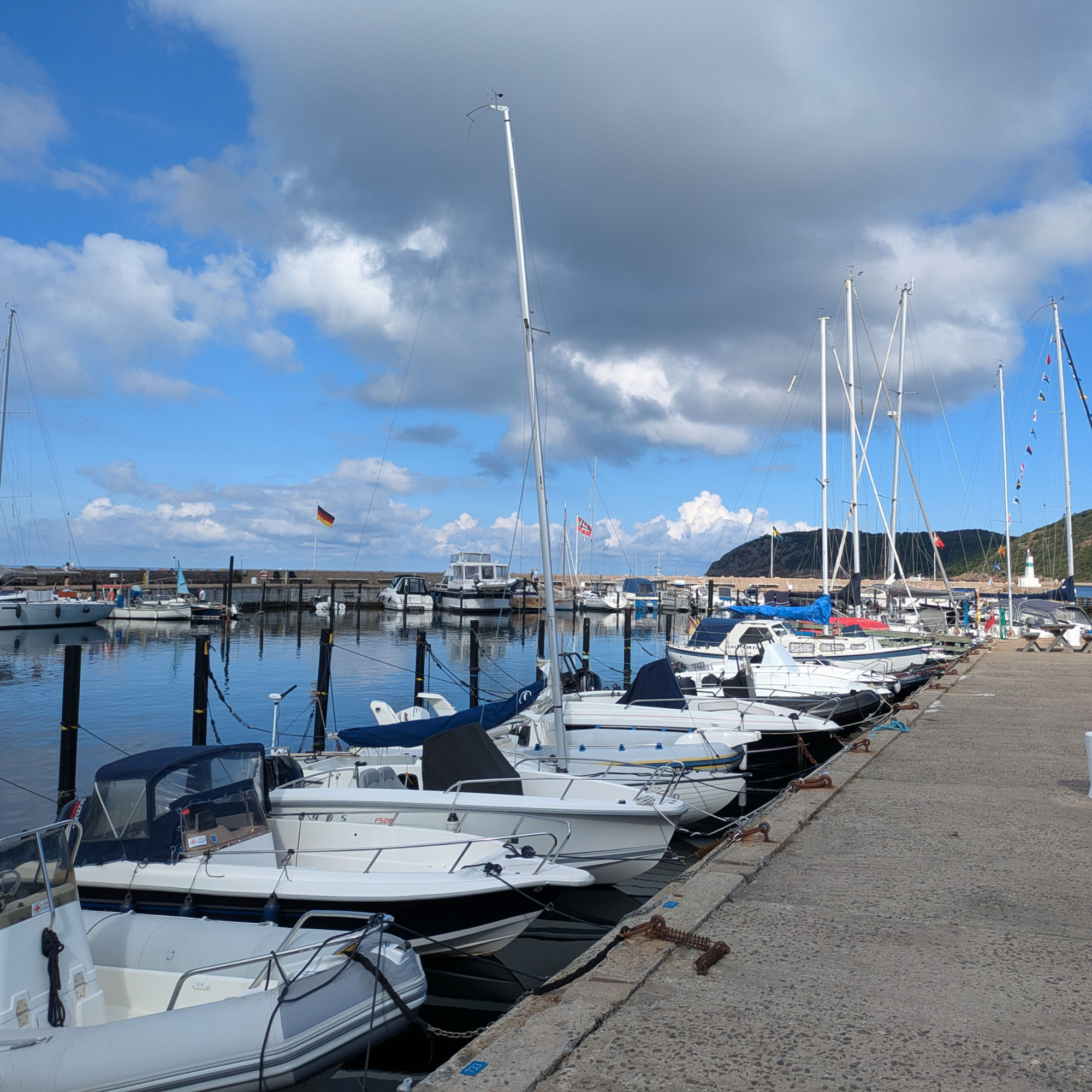
One of the clearest changes in the marine market is the increasing capability of outboard propulsion. Modern outboards provide boat builders with more power and flexibility than ever before. They allow boats to achieve higher performance while supporting applications ranging from recreational cruising and fishing to commercial and professional use. But greater propulsion capability also creates greater steering requirements. Higher power can mean greater steering forces. Larger vessels may require more precise handling. And as boats are used for longer periods, operator comfort becomes increasingly important. This creates a need for steering systems engineered around the complete application. The right steering solution must consider more than horsepower alone. It must account for vessel characteristics, propulsion configuration, operating conditions and the experience expected at the helm. This is where steering engineering becomes especially important.
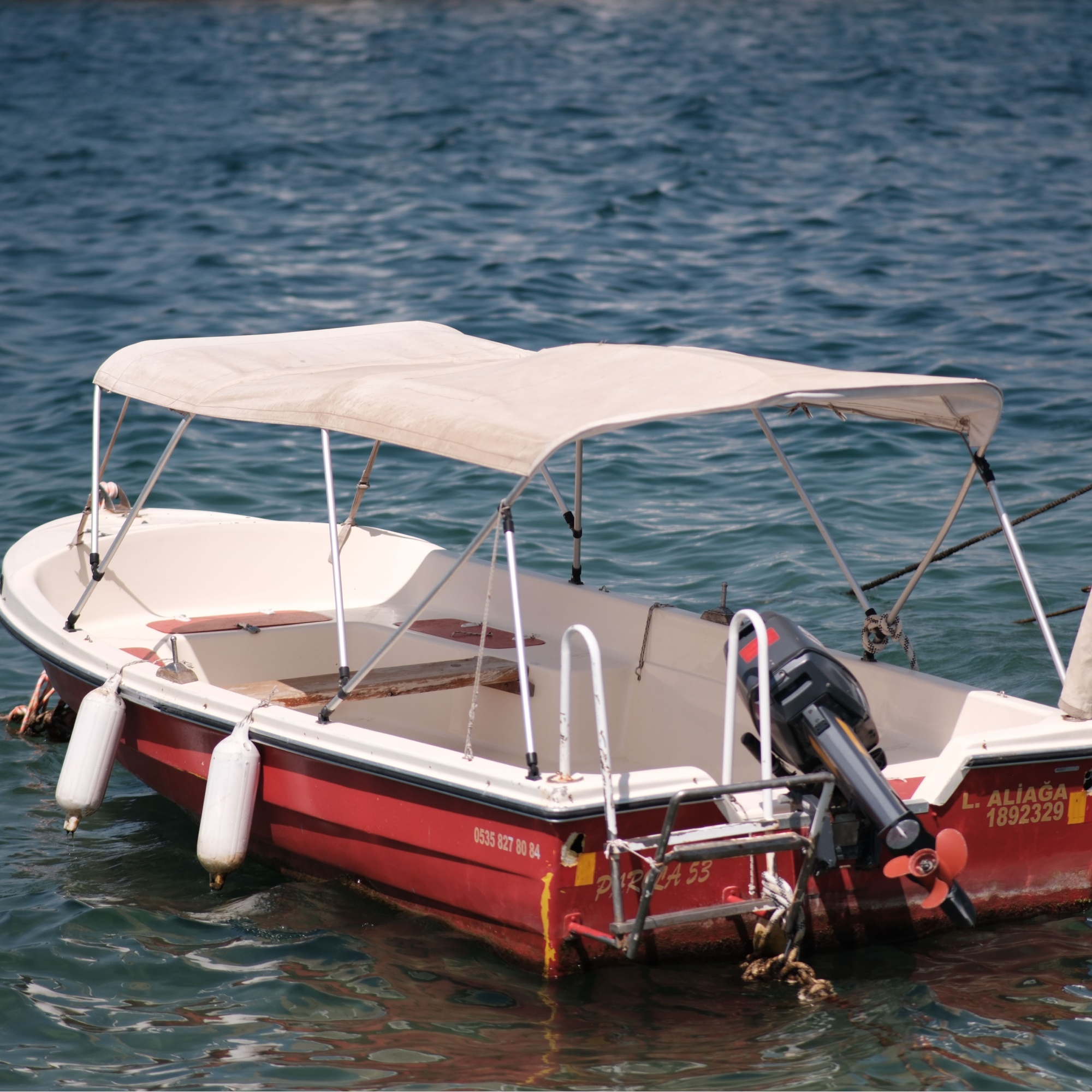
Outboard-powered boats represent one of the most dynamic areas of marine steering development. As outboards become more powerful and are installed across a broader range of vessel types, steering manufacturers are expected to deliver solutions that provide reliable control across increasingly diverse applications. A modern outboard steering system needs to balance several requirements. Control: The vessel should respond predictably to helm input. Comfort: Steering effort should remain manageable during extended operation. Precision: The operator should be able to make confident adjustments during both cruising and maneuvering. Reliability: The system must continue performing in demanding marine environments. Compatibility: The steering solution must be appropriate for the specific engine and vessel application. This is moving the industry away from a one-size-fits-all approach. Steering systems increasingly need to be engineered around how the vessel is actually used.
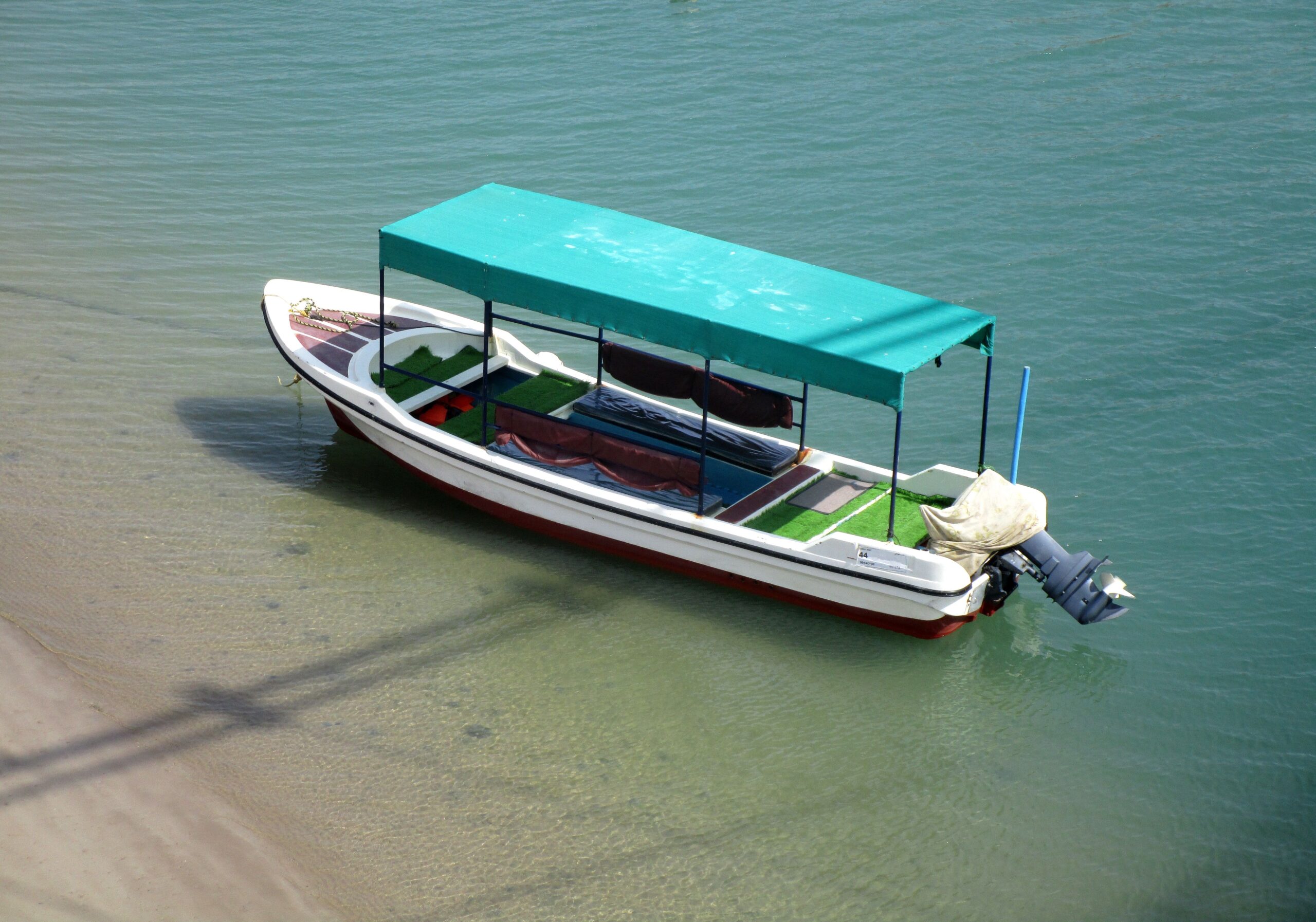
The evolution of marine steering is not limited to outboard applications. Inboard-powered vessels continue to serve important roles across recreational, commercial and specialized marine applications. These vessels can have very different steering requirements depending on hull configuration, propulsion arrangement, vessel size and intended operation. That makes application-specific engineering particularly important. For one vessel, a conventional hydraulic steering arrangement may provide the ideal combination of reliability and control. For another, power assistance may significantly improve helm comfort and handling. The future of marine steering is therefore not about a single technology replacing everything that came before it. It is about selecting and engineering the right solution for the vessel.
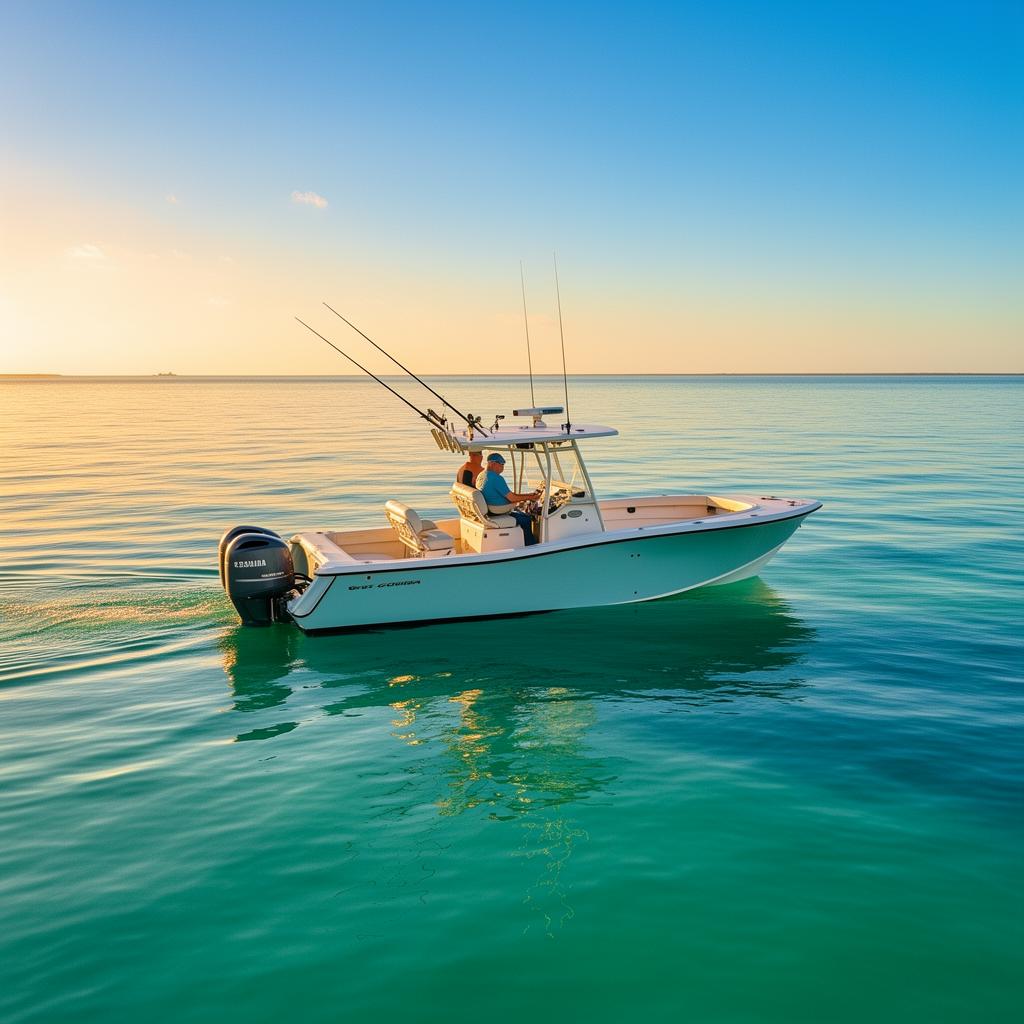
Marine innovation is often associated with new boat designs. But there is another significant opportunity: the enormous number of boats already operating around the world. As boat owners upgrade engines, instrumentation, interiors and other equipment, steering can also become an important part of modernization. A boat does not always need to be replaced to provide a better experience at the helm. A suitable steering upgrade can improve comfort, reduce steering effort and provide a more refined connection between operator and vessel. This creates an important role for retrofit-compatible marine steering systems. It also creates opportunities for marine distributors, dealers and service professionals to provide meaningful upgrades to existing boat owners. The next generation of marine steering will therefore be found not only in new boats, but also in the modernization of the existing fleet.
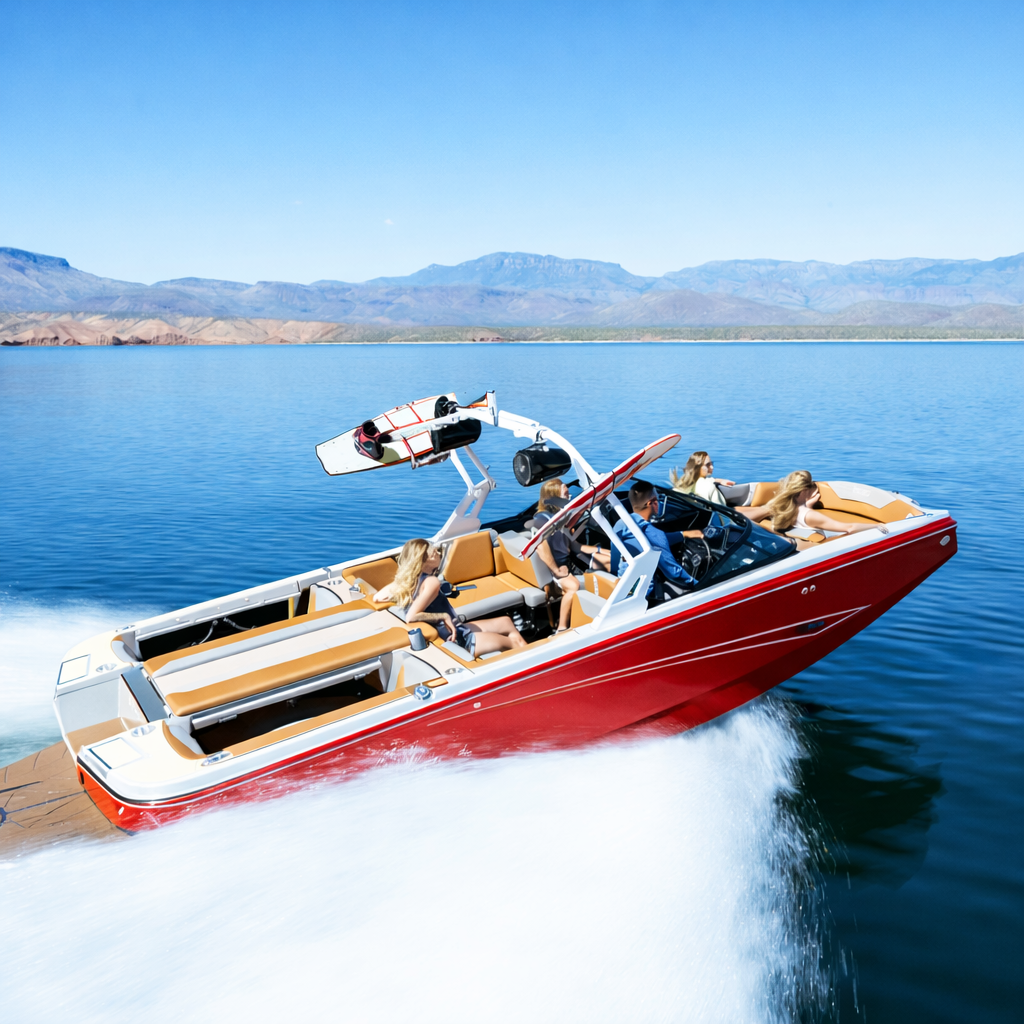
Marine innovation is often associated with new boat designs. But there is another significant opportunity: the enormous number of boats already operating around the world. As boat owners upgrade engines, instrumentation, interiors and other equipment, steering can also become an important part of modernization. A boat does not always need to be replaced to provide a better experience at the helm. A suitable steering upgrade can improve comfort, reduce steering effort and provide a more refined connection between operator and vessel. This creates an important role for retrofit-compatible marine steering systems. It also creates opportunities for marine distributors, dealers and service professionals to provide meaningful upgrades to existing boat owners. The next generation of marine steering will therefore be found not only in new boats, but also in the modernization of the existing fleet.
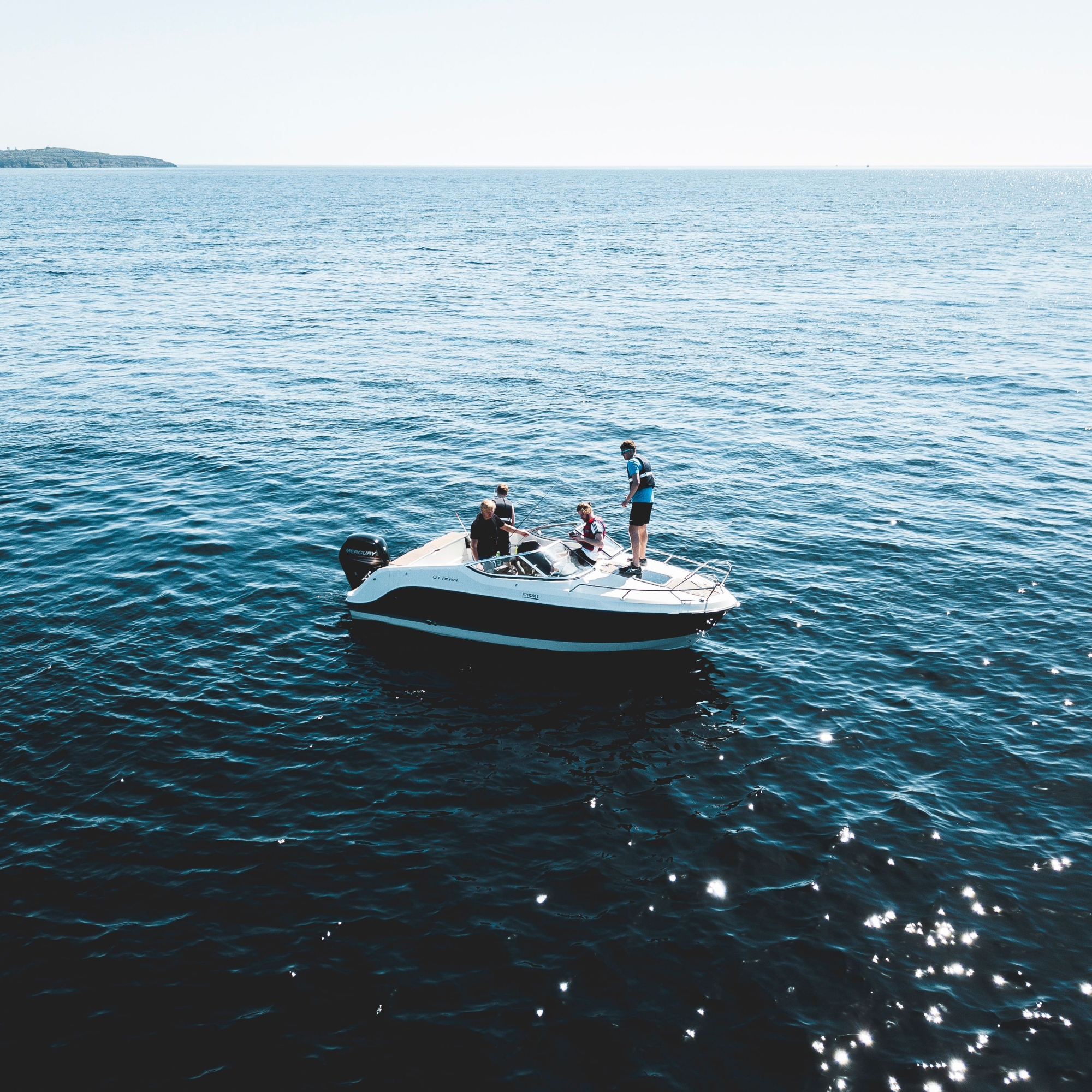
Marine markets around the world have different vessels, different operating conditions and different customer expectations. Australia has a strong recreational, fishing and coastal boating market. The Middle East combines premium leisure boating with demanding environmental conditions. The Maldives relies heavily on marine transport and tourism. The Philippines has a vast network of islands and a wide range of commercial and recreational marine applications. European markets span recreational boating, commercial vessels and sophisticated boatbuilding ecosystems. Despite these differences, one expectation remains consistent: Operators need steering systems they can trust. This creates an opportunity for steering manufacturers to compete on more than price. Reliability, engineering capability, product range, technical support and understanding of real-world marine applications all become important parts of the value proposition.