Check for Leaks and Fluid
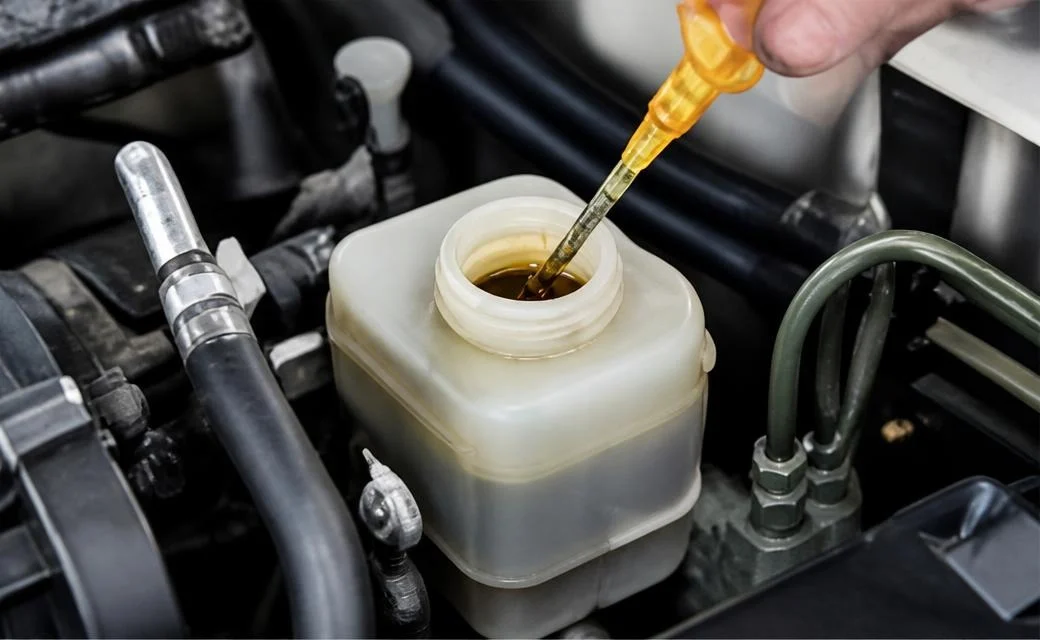
Hydraulic steering systems rely heavily on the integrity of fluid levels and the hydraulic lines themselves. If there’s a leak or the hydraulic fluid is low, it could result in sluggish or unresponsive steering.
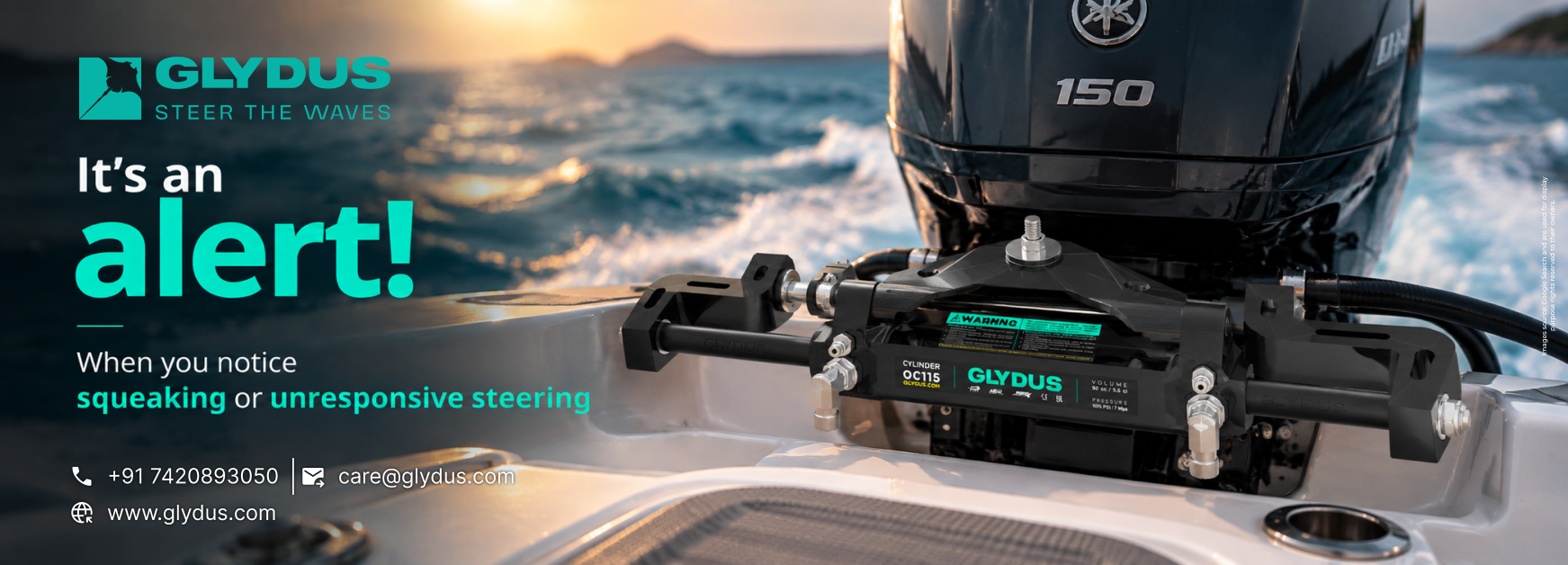
Action Point: Inspect the hydraulic steering cylinder for any signs of leaks, corrosion, or wear. Turn the steering wheel from side to side and observe how the steering cylinder reacts. If the movement is sluggish or jerky, the ram could be the issue. Clean and lubricate the piston, and if problems persist, consider replacing the steering cylinder.
Inspect Steering Cables
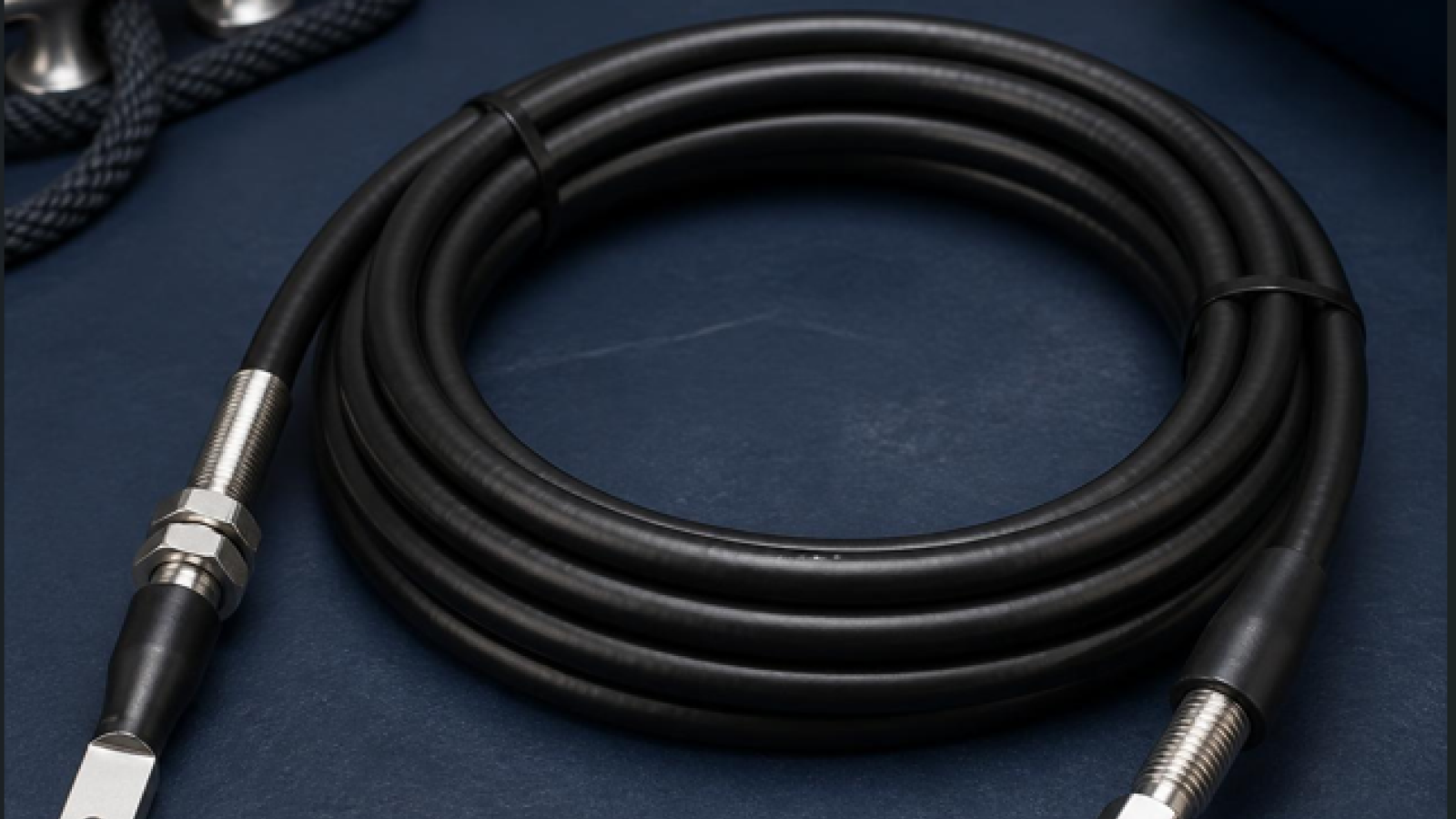
Mechanical steering systems can develop cable issues over time. Cables may wear, fray, or corrode, causing squeaky or unresponsive steering. Upgrading to hydraulic steering can provide smoother and more efficient control.
Action Point: Disconnect the cable from the engine and turn the wheel to inspect if there is any resistance or unusual noise. If the wheel moves smoothly when disconnected, the issue likely lies with the engine connection. However, if there’s still stiffness or noise, the cable may be corroded and should be lubricated or replaced.
Examine the Helm Unit
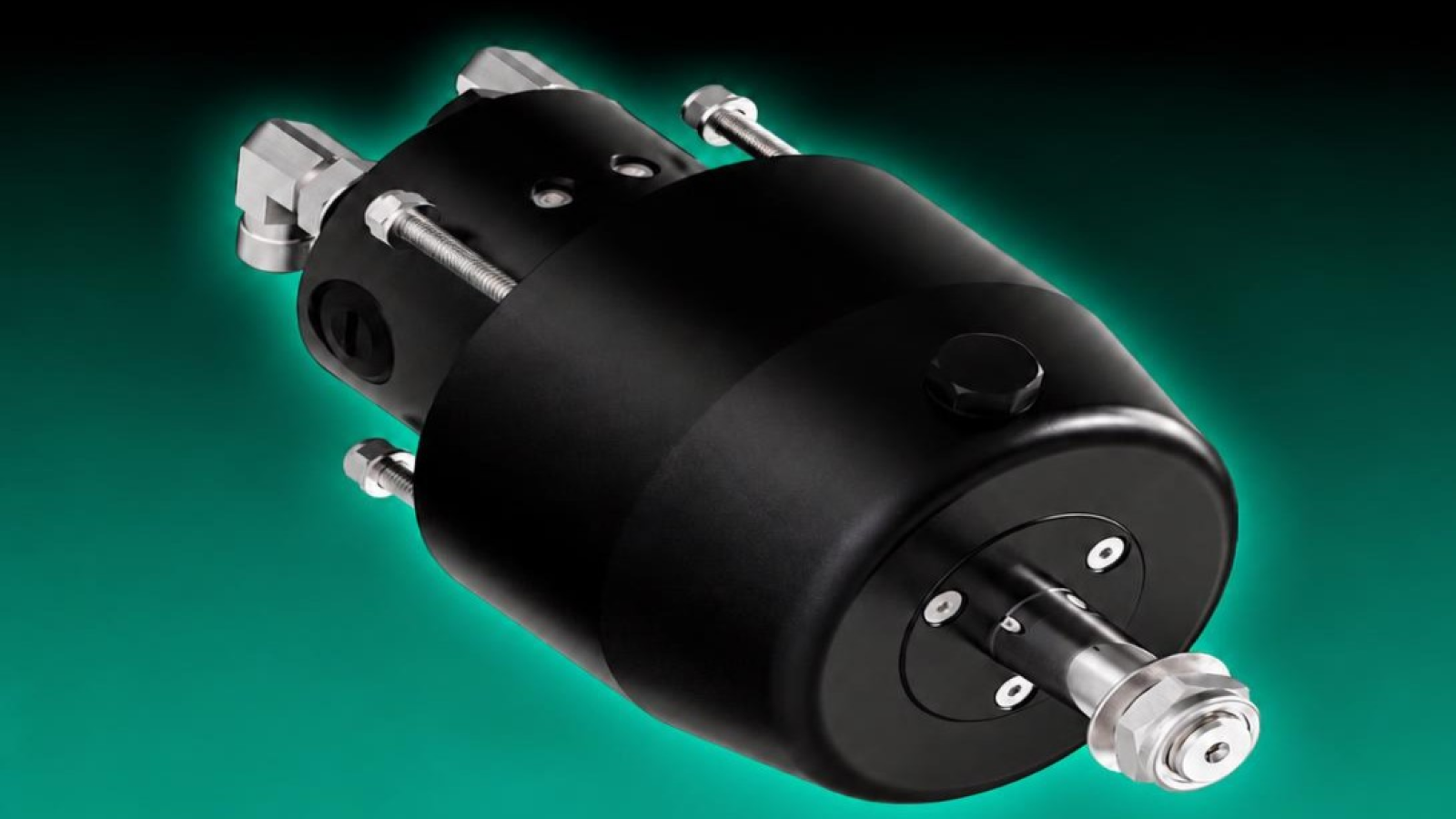
The helm unit is a vital component in both hydraulic and mechanical steering systems. It is responsible for converting the steering wheel’s motion into hydraulic or mechanical action. Wear and tear in the helm mechanism can result in unresponsiveness or even steering lockup.
Action Point: Listen for unusual noises, such as grinding or clicking, as you turn the wheel. Check for any visible signs of wear around the helm and ensure the components are tightly secured. If you detect any irregularities, consider a replacement of the helm unit.
Inspect the Linkages
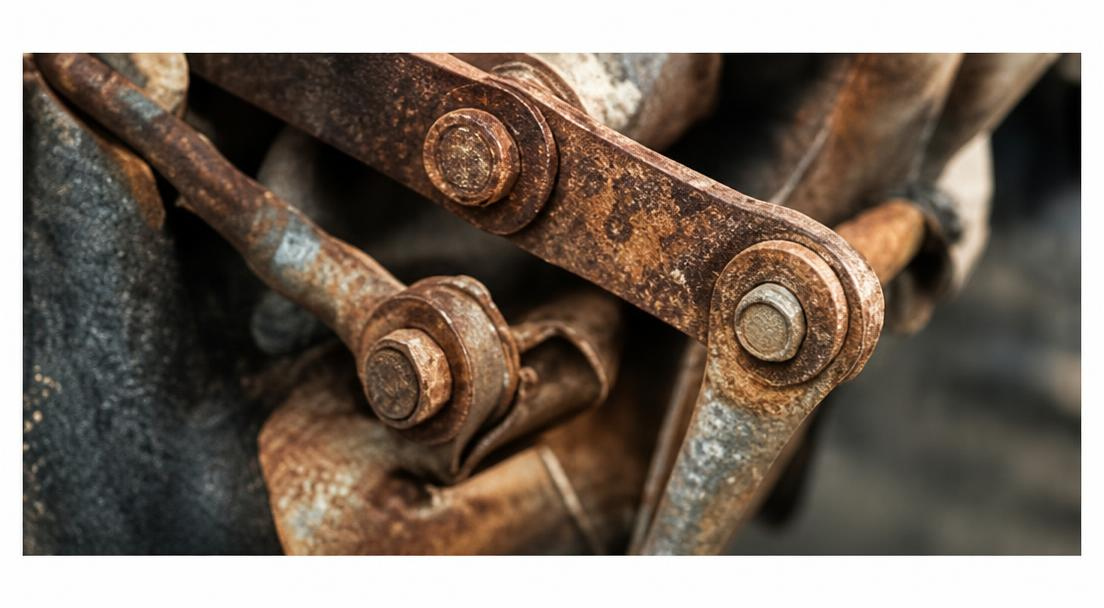
The rudder or outboard motor’s steering linkages can become worn over time, causing squeaks or stiff steering. The linkages that connect the rudder to the steering system are essential for precise control. If these parts are corroded or poorly lubricated, it can significantly affect the boat’s handling.
Action Point: Inspect all linkages, rudder pins, and control arms. Make sure they are properly lubricated and free of corrosion. If any parts appear worn or loose, tighten or replace them as necessary. Proper lubrication can often eliminate squeaks and restore smooth motion.
Test the Steering Ram
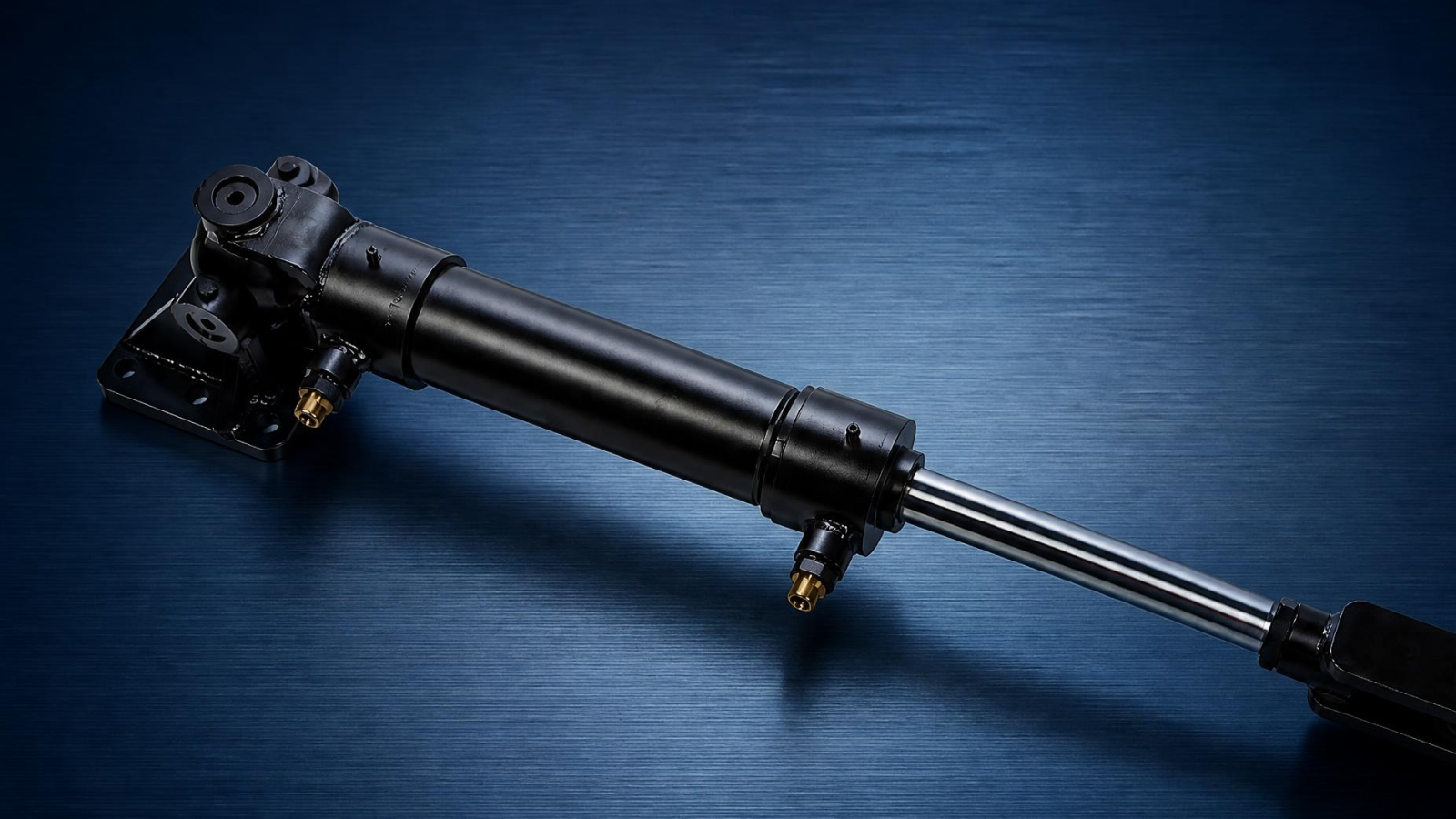
In a hydraulic system, the steering ram translates the helm’s motion into actual movement of the rudder or outboard motor. A failing or blocked steering ram can cause stiffness or unresponsiveness.
Action Point: Inspect the hydraulic steering cylinder for any signs of leaks, corrosion, or wear. Turn the steering wheel from side to side and observe how the steering cylinder reacts. If the movement is sluggish or jerky, the ram could be the issue. Clean and lubricate the piston, and if problems persist, consider replacing the steering cylinder.