
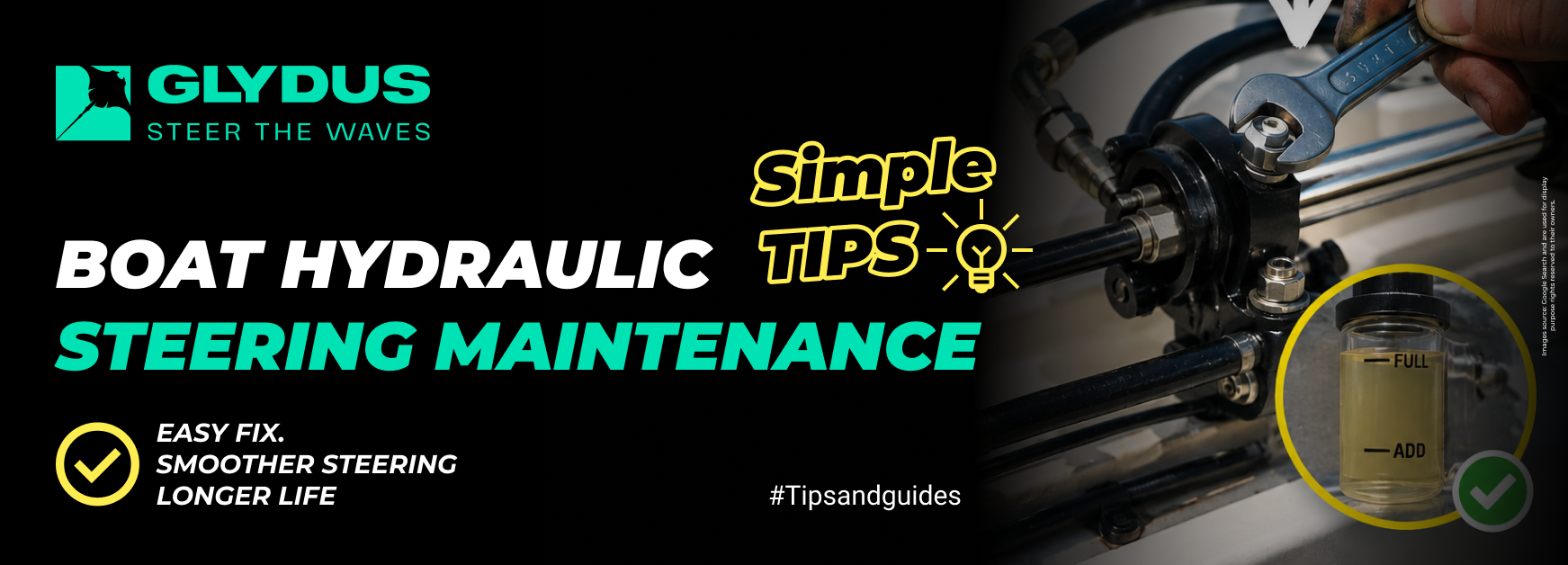
Easy Hydraulic Steering Maintenance Hack
Boating is all about adventure and smooth control on the water. Whether you own a fishing boat, speedboat, pontoon, or recreational boat, one system plays a major role in ensuring a comfortable and safe experience — the Glydus hydraulic steering system. Unfortunately, many boat owners overlook hydraulic steering maintenance until problems start appearing. Heavy steering, fluid leaks, vibration, and poor response are all signs that your steering system needs attention.
The good news is that maintaining your hydraulic steering system does not have to be complicated or expensive. With a few simple maintenance hacks, you can dramatically improve your boat’s performance, extend the life of your steering components, and avoid costly repairs.
In this complete guide, you will learn everything you need to know about easy hydraulic steering maintenance hacks that keep your boat operating smoothly throughout the season.
Why Hydraulic Steering Systems Matter
Hydraulic steering systems are designed to deliver smooth, effortless, and precise steering control. These systems use hydraulic fluid pressure to transfer steering input from the wheel directly to the boat engine, ensuring responsive handling and improved boating performance.
This setup offers several advantages:
- Smoother steering performance
- Reduced steering effort
- Better control at high speeds
- Improved reliability
- Enhanced safety on water
Modern boats rely heavily on hydraulic steering because it handles higher horsepower engines more efficiently. However, like any marine system, proper maintenance is necessary to ensure long-term performance.
Common Problems Caused by Poor Hydraulic Steering Maintenance
Ignoring steering maintenance can lead to serious problems that affect both safety and performance. Here are some common issues boat owners experience:
Hard Steering
When the steering wheel becomes difficult to turn, it often indicates low hydraulic fluid, trapped air, or internal component wear.
Hydraulic Fluid Leaks
Leaks are one of the most common steering issues. Damaged seals, cracked hoses, or loose fittings can cause fluid loss.
Steering Vibration
Excessive vibration while steering may indicate air bubbles inside the hydraulic lines or damaged components.
Delayed Steering Response
If the engine reacts slowly when turning the wheel, your hydraulic system may need bleeding or fluid replacement.
Corrosion Damage
Marine environments are harsh. Saltwater exposure can corrode steering cylinders, fittings, and hoses over time.
Regular maintenance helps prevent these issues before they become major repairs.
Easy Hydraulic Steering Maintenance Hack Every Boat Owner Should Know
One of the easiest and most effective maintenance hacks is performing a quick hydraulic fluid inspection before every boating trip.
This simple habit can save you thousands in repairs.
Here’s how to do it:
- Locate the hydraulic steering reservoir.
- Remove the cap carefully.
- Check fluid levels.
- Inspect fluid color and condition.
- Refill with manufacturer-recommended hydraulic fluid if necessary.
Healthy hydraulic fluid should appear clean and free from debris. Dirty or milky fluid may indicate contamination or water intrusion.
This five-minute inspection significantly improves steering reliability and overall boat performance.
How to Check Hydraulic Steering Fluid Properly
Checking hydraulic fluid is easier than many boat owners think. Here is a step-by-step process
Step 1: Dock Your Boat Safely
Make sure the boat is on stable ground or securely docked before starting maintenance.
Step 2: Locate the Helm Pump
The helm pump is usually positioned behind the steering wheel console.
Step 3: Clean Around the Cap
Always clean the area before opening the reservoir to prevent dirt from entering the system.
Step 4: Inspect Fluid Level
The fluid should remain near the recommended fill line.
Step 5: Look for Fluid Quality Issues
Healthy fluid appears clear. Dark, cloudy, or foamy fluid may indicate problems inside the system.
Step 6: Top Off the Fluid
Use only marine-grade hydraulic steering fluid approved for your system.
Regular fluid checks improve steering response and prevent unnecessary wear.
The Importance of Bleeding Air from Hydraulic Steering Systems
Air trapped inside hydraulic lines can reduce steering performance dramatically. Even small air bubbles can create soft steering and inconsistent handling.
Signs Your Steering System Needs Bleeding
- Spongy steering feel
- Steering wheel slipping
- Delayed engine movement
- Noise during steering
- Uneven steering resistance
Simple Hydraulic Steering Bleeding Process
- Fill the reservoir completely.
- Attach bleed hoses to steering cylinder fittings.
- Slowly turn the steering wheel.
- Release trapped air through bleed valves.
- Continue until no bubbles appear.
Bleeding removes air pockets and restores smooth steering operation.
Inspect Hydraulic Steering Hoses Regularly
Hydraulic hoses are critical components that transfer fluid pressure throughout the steering system. Damaged hoses can lead to leaks and sudden steering failure.
What to Look for During Inspection
- Cracks
- Bulges
- Corrosion around fittings
- Fluid seepage
- Loose connections
Inspect hoses at least once a month during boating season.
Replacing worn hoses early prevents dangerous steering breakdowns on the water.
Keep Steering Cylinders Clean and Protected
The hydraulic steering cylinder is constantly exposed to harsh marine conditions. Saltwater, dirt, and debris can damage seals and shafts over time.
Cleaning Hack for Steering Cylinders
After every trip:
- Rinse with fresh water
- Wipe dry using a soft cloth
- Apply marine corrosion protectant
- Inspect for rust or pitting
This simple cleaning routine helps extend cylinder lifespan significantly.
Lubricate Moving Components for Better Performance
Many boat owners focus only on hydraulic fluid but forget about mechanical moving parts.
Proper lubrication reduces friction and wear.
Important Components to Lubricate
- Steering pivot points
- Link arms
- Tilt tubes
- Mechanical joints
Use marine-grade grease designed specifically for saltwater environments.
Lubrication improves steering smoothness and protects expensive steering hardware.
Best Hydraulic Fluids for Marine Steering Systems
Choosing the correct hydraulic fluid is extremely important. Using the wrong fluid can damage seals and reduce steering efficiency.
Features of Good Marine Hydraulic Fluid
- Corrosion protection
- Thermal stability
- Anti-foam additives
- Water resistance
- Smooth viscosity performance
Always follow manufacturer recommendations when selecting hydraulic fluid.
Never mix different hydraulic fluid types unless specifically approved.
Seasonal Hydraulic Steering Maintenance Tips
Different seasons create different maintenance requirements.
Pre-Season Maintenance
Before launching your boat:
- Inspect hoses and fittings
- Check fluid levels
- Bleed air if necessary
- Test steering responsiveness
- Lubricate all components
Mid-Season Inspection
During peak boating season:
- Monitor fluid levels weekly
- Watch for leaks
- Inspect corrosion buildup
- Test steering under load
Off-Season Storage Maintenance
Before storing your boat:
- Clean the steering system thoroughly
- Protect exposed metal surfaces
- Check seals for wear
- Store in a dry environment
Seasonal care prevents unexpected steering problems when boating resumes.
Warning Signs You Should Never Ignore In Steering
Your boat often gives warning signs before steering failure occurs.
Pay attention to these symptoms:
Unusual Steering Noise
Grinding or whining sounds may indicate air or fluid problems.
Fluid Around Steering Components
Leaks should never be ignored.
Steering Wheel Play
Loose steering can indicate worn internal components.
Sudden Steering Resistance
If steering suddenly becomes stiff, stop operating immediately and inspect the system.
Addressing minor issues early prevents expensive repairs and dangerous situations.
Benefits of Routine Hydraulic Steering Maintenance
Regular maintenance offers major long-term advantages.
Improved Boat Handling
Smooth steering enhances maneuverability and control.
Increased Safety
Reliable steering reduces accident risks on the water.
Lower Repair Costs
Preventive maintenance avoids expensive system replacements.
Extended Equipment Lifespan
Proper care protects hydraulic components from premature wear.
Better Fuel Efficiency
Efficient steering reduces unnecessary engine strain.
Maintaining your steering system is one of the smartest investments you can make as a boat owner.
DIY Maintenance vs Professional Service In Hydraulic Steering
Many hydraulic steering maintenance tasks are easy enough for boat owners to handle themselves.
DIY Maintenance Tasks
- Fluid checks
- Cleaning cylinders
- Inspecting hoses
- Lubrication
- Corrosion prevention
When to Call a Professional
Seek expert help if you notice:
- Major fluid leaks
- Internal cylinder damage
- Persistent steering stiffness
- Complete steering failure
- Hydraulic pressure loss
Professional marine technicians can diagnose advanced hydraulic issues safely.
How Saltwater Affects Hydraulic Steering Systems
Saltwater is one of the biggest enemies of marine steering systems.
Common Saltwater Damage
- Corrosion
- Rust formation
- Seal deterioration
- Hose damage
- Metal pitting
Saltwater Protection Tips
- Rinse after every trip
- Use anti-corrosion sprays
- Store properly
- Perform regular inspections
Protecting your steering system from saltwater exposure dramatically extends system life.
Simple Monthly Hydraulic Steering Maintenance Checklist
Here is an easy monthly checklist every boat owner should follow:
Monthly Checklist
- Check hydraulic fluid level
- Inspect hoses for leaks
- Clean steering cylinder
- Lubricate moving parts
- Test steering responsiveness
- Check for corrosion
- Tighten loose fittings
- Inspect seals and connectors
This routine takes less than 30 minutes but prevents major issues later.
Upgrade Your Boat’s Steering Performance with Better Habits
Hydraulic steering systems are built for durability, but proper care determines how well they perform over time.
Small maintenance habits create massive long-term benefits.
The easiest hydraulic steering maintenance hacks include:
- Frequent fluid inspections
- Bleeding trapped air
- Cleaning steering cylinders
- Lubricating components
- Inspecting hoses regularly
- Preventing corrosion
By following these simple practices, you can enjoy smoother handling, safer boating, and fewer unexpected breakdowns.
Mistakes Boat Owners Make with Hydraulic Steering Systems
Avoid these common maintenance mistakes:
Ignoring Small Leaks
Tiny leaks often become major failures.
Using Incorrect Fluid
Wrong hydraulic fluid damages seals and performance.
Skipping Routine Inspections
Preventive maintenance is always cheaper than repairs.
Delaying Repairs
Minor steering issues worsen over time.
Forgetting Corrosion Protection
Marine environments require continuous protection.
Avoiding these mistakes improves steering reliability and safety.
Conclusion
Your hydraulic steering is one of the most important components of your boat. Without proper maintenance, even the best steering systems can develop performance issues, leaks, or dangerous failures.
Fortunately, maintaining hydraulic steering does not require advanced technical knowledge. Simple habits like checking fluid levels, inspecting hoses, cleaning cylinders, and lubricating moving parts can dramatically enhance your boat’s performance and reliability.
Regular maintenance not only improves steering smoothness but also increases safety, extends component lifespan, and reduces costly repairs. Whether you own a fishing boat, speedboat, or recreational vessel, investing a little time into hydraulic steering maintenance will pay off every time you hit the water.
Start applying these easy hydraulic steering maintenance hacks today and enjoy smoother, safer, and more efficient boating for years to come.