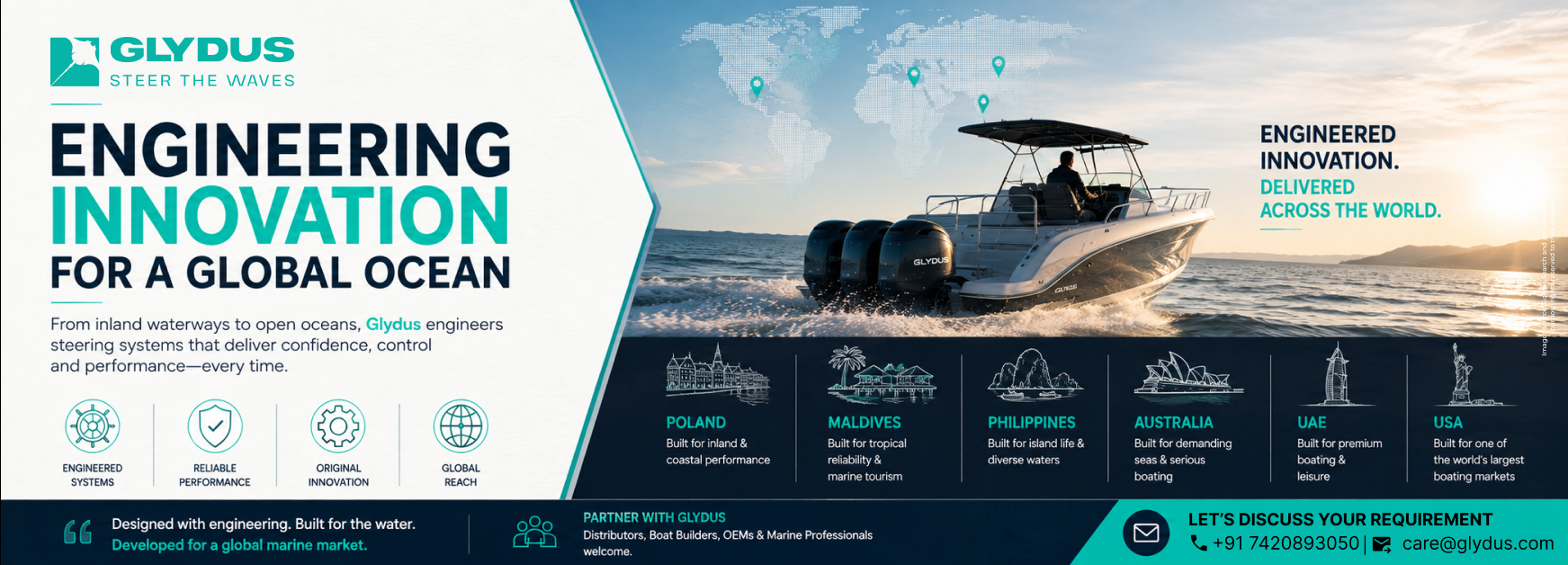
The marine industry is not one market, and the water does not present the same challenge everywhere. From the Baltic and inland waterways of Poland to the tropical operating environments of the Maldives and Philippines, from Australia’s demanding coastal waters to the premium boating markets of the UAE and the scale of the US marine industry, boats are expected to deliver dependable control in very different conditions. That makes steering engineering more than a component decision it is a system decision.
Engineering Starts With the Water
A steering system sits at the point where the operator, vessel and propulsion system meet. Its performance influences how confidently a boat responds, how much effort is required at the helm, how predictable manoeuvres feel and how effectively the vessel can be controlled over long operating periods. The right solution therefore begins with the application: hull type, engine configuration, vessel size, operating profile and the environment in which the boat will be used.
This is particularly important as marine markets become increasingly global. A steering solution developed for one application cannot automatically be treated as the ideal answer for another. Good engineering is about matching the system to the real-world requirement.
Six Markets, Six Different Marine Challenges

Poland: Inland Waterways, Lakes and Baltic Applications
Poland combines extensive inland waterways and lakes with access to the Baltic Sea, creating a varied recreational and commercial boating environment. Boats may be used for leisure, fishing, tourism and professional applications, with steering requirements changing according to vessel configuration and operating conditions. For manufacturers, distributors and service professionals, a well-matched steering system can be an important part of delivering predictable handling across these varied applications.
Maldives: High-Frequency Tropical Operations
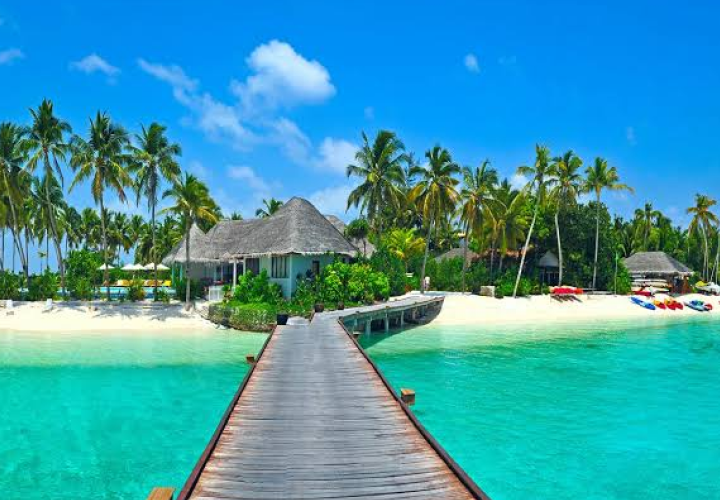
The Maldives presents a very different marine environment. Resort transfers, fishing, diving and tourism place boats in regular operation across tropical waters. Reliability, ease of control and suitability for frequent use become particularly important when a vessel is part of a daily service rather than used occasionally. For these applications, steering engineering needs to consider the complete system and the demands placed on the vessel and operator.

Philippines: An Island Nation Built Around Boats
With thousands of islands and a strong dependence on marine transport, fishing and tourism, the Philippines represents one of the world’s most diverse boating environments. From smaller fishing and utility craft to passenger and recreational vessels, applications vary significantly. That diversity reinforces the need for steering solutions that can be matched correctly to propulsion, hull and operating requirements rather than relying on a one-size-fits-all approach.
Australia: Demanding Coastal and Offshore Recreation
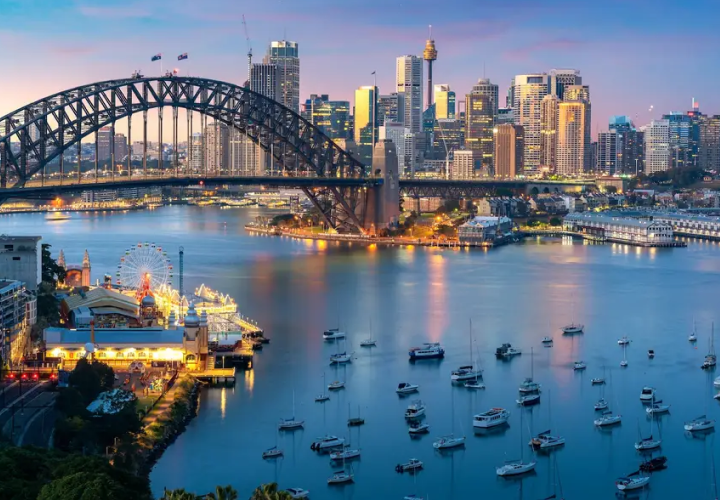
Australia’s boating culture spans fishing, cruising, watersports, commercial operations and high-performance recreational craft. Boats regularly operate in coastal and offshore environments where control, responsiveness and reliability are critical to the overall experience. For Australian boat owners and marine professionals, steering is an important part of the vessel’s handling characteristics—not simply a mechanism for changing direction.
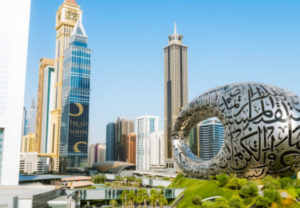
UAE: Premium Boating and Performance Applications
The UAE has developed into a major marine leisure and yacht destination, supported by coastal recreation, marine tourism and a strong premium boating market. In this environment, expectations around finish, performance, ease of operation and technical quality are high. Steering systems must complement the vessel rather than compromise its handling or helm experience, particularly in performance-oriented and premium applications.

USA: Scale, Diversity and a Mature Marine Market
The United States represents one of the world’s largest and most diverse recreational boating markets, with extensive use of outboard-powered boats alongside inboard and other propulsion configurations. That scale creates demand across everything from fishing and family boats to performance craft, commercial vessels and specialised applications. It also highlights why marine steering engineering needs to be application-driven: the correct system depends on the vessel, engine and intended use.
From Components to Complete Steering Systems
Modern marine steering should be considered as a complete system rather than a collection of unrelated parts. The helm, hoses, fluid and cylinder or the corresponding elements of an inboard configuration must work together and be correctly matched to the engine and hull. A system approach helps deliver consistent steering behaviour while simplifying selection, installation and servicing.
This is where engineering becomes commercially important. A marine equipment supplier that understands the relationship between individual components and the complete steering system can provide more useful guidance to boat builders, workshops, distributors and end users.
Why Power-Assisted Steering Matters
As boats become more capable and engines deliver greater performance, helm effort and steering feel become increasingly relevant. Power-assisted steering can help reduce the physical effort required from the operator while maintaining the control characteristics expected from a modern vessel. The objective is not technology for its own sake. It is to make steering more manageable, predictable and appropriate to the application.
For Glydus, this engineering philosophy is reflected in power-assisted steering kits designed around real vessel requirements. The focus is on creating a matched steering solution rather than simply adding another component to the boat.
Outboard and Inboard: Engineering for Different Configurations
Propulsion configuration has a direct influence on steering architecture. Outboard-powered boats have their own requirements around engine mounting, cylinder installation, helm configuration and available space. Inboard vessels present a different set of mechanical and packaging considerations. Understanding these differences is essential when developing steering systems that deliver dependable control without unnecessary complexity.
A manufacturer with expertise across both outboard and inboard applications can approach steering from the vessel’s perspective, helping customers identify a configuration suited to their particular operating needs.
Innovation Should Solve a Real Problem
Marine innovation has value when it solves a genuine problem. A new design should improve an aspect of the boating experience—whether that means reducing effort, improving control, simplifying installation, increasing compatibility or creating a more practical system for a particular application.
This is the principle behind Glydus’ approach to original engineering and patented innovation. The goal is not to make steering technology unnecessarily complicated. It is to develop solutions that make sense on the vessel, at the helm and in the hands of the people who install, service and use the equipment.
Building a Global Marine Network
Global marine markets also require a strong network around the product. Boat builders, distributors, workshops and marine equipment specialists need more than a catalogue—they need dependable product information, application guidance and a manufacturer that understands the realities of different markets.
As Glydus expands its international presence across markets including Poland, Maldives, Philippines, Australia, UAE and USA, the objective is to build relationships with marine professionals who can bring engineered steering solutions closer to the vessels and customers that need them.
The Glydus Approach
The same evolution creates new opportunities for marine distributors.
Customers are increasingly looking for better steering experiences rather than simply replacing a failed component. This creates demand for distributors who can offer the right solution for the application whether that means a reliable hydraulic system, reduced steering effort through Power-Assisted Steering, or an innovative Smart Steering upgrade.
For distributors, working with an innovative manufacturer can also create opportunities to differentiate their business, expand their product portfolio, and build stronger long-term customer relationships.
Glydus: Building for the Next Generation
Glydus approaches marine steering as an engineering challenge shaped by the vessel, propulsion system, operator and operating environment. Its portfolio includes steering solutions for outboard and inboard applications, with a focus on power-assisted steering and original product innovation.
For a global marine market, that approach matters. The future of boat control will not be defined by a single technology or a single type of vessel. It will be defined by how effectively engineering can translate different operating requirements into dependable, practical and well-matched steering systems.
Discuss Your Marine Steering Requirement
Whether you are a boat owner, boat builder, OEM, marine workshop, distributor or marine equipment dealer, the right steering solution begins with understanding the application. If you are evaluating a steering system for an existing vessel, a new build or a regional marine market, connect with Glydus to discuss the vessel, engine configuration and operating requirements.
Glydus — Engineering marine steering for a global ocean.